

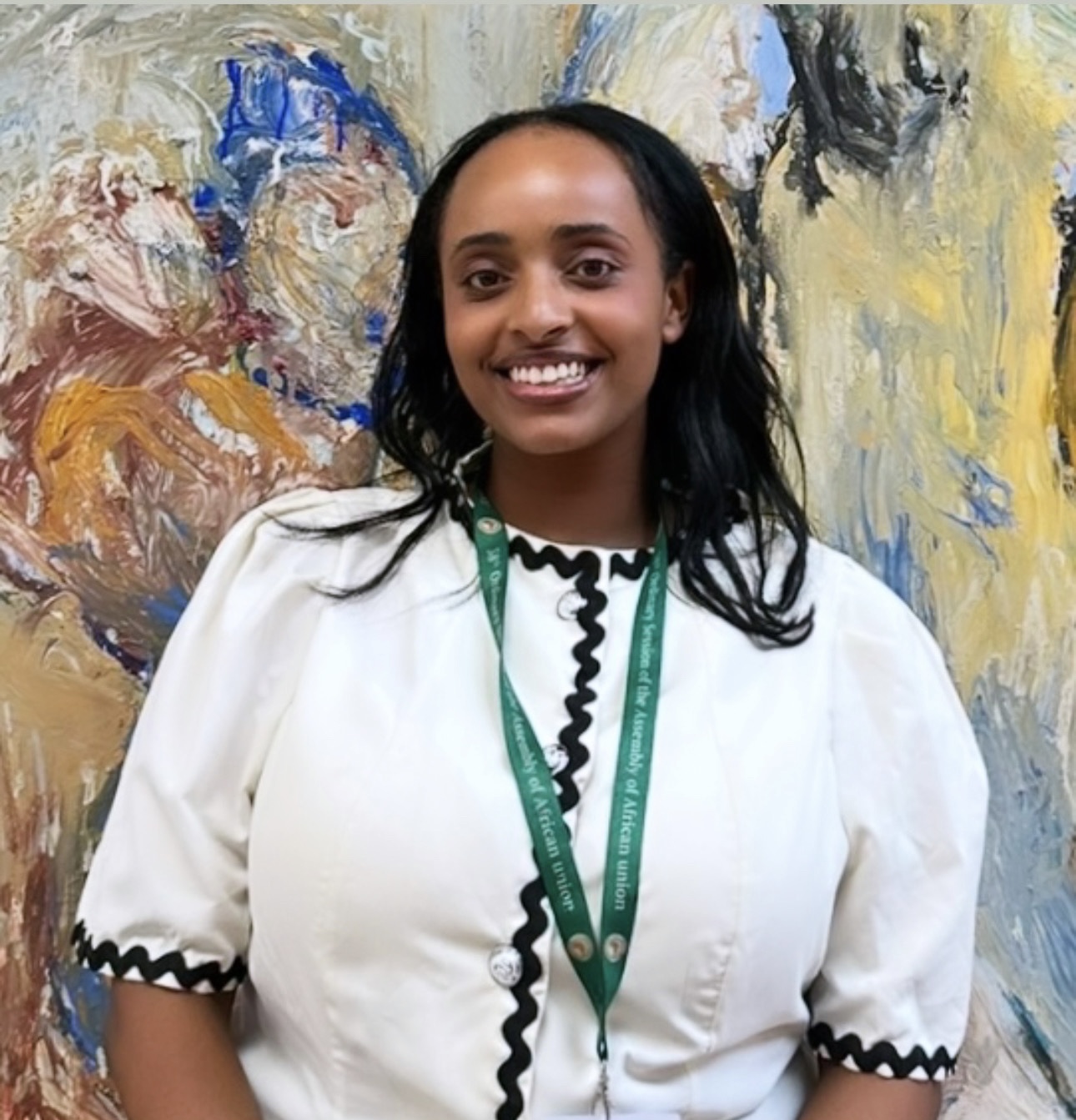
Author: Yanet M. Tadesse
Peace, Mediation and Youth Engagement Practitioner supporting dialogue, mediation, and youth initiatives across Africa.
Introduction
Every year on International Women’s Day, the world celebrates the achievements of women while reflecting on the challenges that remain. In Africa, these conversations carry particular significance. Across the continent, women are often among the first to experience the devastating impacts of conflict, instability, and insecurity. Yet they are also among the most powerful agents of resilience, dialogue, and peace.
Too often, global narratives portray women primarily as victims of conflict. While it is true that women and girls suffer disproportionately during times of war and instability, this narrative overlooks an equally important reality: African women have long been leaders, mediators, and community builders who actively shape peace processes.
Women as Leaders in Peacebuilding
From grassroots initiatives to continental institutions, women play a critical role in preventing violence, facilitating dialogue, and rebuilding communities affected by conflict. Across Africa, women’s networks have supported reconciliation efforts, advocated for justice, and provided essential support to displaced communities.
These contributions frequently take place outside the spotlight, yet they remain fundamental to building sustainable peace.
The Power of Invisible Leadership
In many African communities, decision making has long been a collective process, even when it appeared otherwise. During a recent training for women mediators under the African Union’s FemWise initiative, a story was shared that beautifully illustrates this often unseen dynamic.
When elders gathered to deliberate on important community matters, they would sometimes conclude by saying, “Let us sleep on it and decide tomorrow.” What often happened next was simple. The elders would return home and discuss the matter with their wives. By the next day, when they reconvened and announced the final decision, it appeared as though the elders had reached the conclusion themselves.
In reality, women had quietly contributed their perspectives and wisdom to shaping that outcome.
This story reflects a deeper truth. African women have long played an important role in dialogue, mediation, and community decision making even when their contributions were not always visible in formal spaces.
Global Recognition of Women in Peace and Security
Today, international frameworks such as the Women Peace and Security agenda, particularly United Nations Security Council Resolution 1325, have increasingly recognized the importance of women’s participation in peace processes and decision making.
Adopted in 2000, Resolution 1325 marked a significant shift in global policy by acknowledging that sustainable peace requires the full and meaningful participation of women at all levels of decision making.
Evidence shows that peace agreements are more sustainable when women are involved in negotiations and leadership roles. Their participation often brings broader community perspectives, strengthens trust in peace processes, and helps ensure that agreements address the needs of society as a whole.
The Representation Gap
Despite these commitments, women remain significantly underrepresented in formal peace negotiations and political decision making spaces.
This gap highlights an important challenge. Recognizing women’s contributions is not enough. There must also be meaningful opportunities for women to influence decisions and shape policies that affect peace and security.
A New Generation of African Women Leaders
Encouragingly, this transformation is already underway across the continent. A new generation of African women is emerging in diplomacy, governance, and peacebuilding.
Young women are increasingly engaging in dialogue, advocating for inclusive policies, and working within institutions to address the root causes of conflict.
Importantly, women’s leadership in peacebuilding extends far beyond formal negotiations. In many communities, women act as mediators within families, villages, and local organizations. Their ability to build trust, listen carefully, and bridge divisions often makes them uniquely effective in resolving disputes and promoting reconciliation.
Conclusion
As we reflect on International Women’s Day, it is important to move beyond recognition and toward meaningful action. Empowering women in peacebuilding is not only a matter of equality. It is a strategic investment in sustainable peace.
Africa’s future will depend on inclusive leadership that reflects the voices and experiences of all its people. Women, particularly young women, must be recognized not only as beneficiaries of peace but as architects of it.
When women lead, communities become stronger, dialogue becomes more inclusive, and peace becomes more sustainable.
Telegram | LinkedIn | Instagram | TikTok | Twitter/X | Facebook
So amazing 🙌🙌